Across the UK, there has been a noticeable shift in how events are planned, marketed and delivered. Accessibility is now firmly part of the conversation, with organisers increasingly recognising the importance of creating spaces that welcome a wider range of people. However, in practice, there is still a significant gap between intention and reality — particularly when it comes to sensory accessibility.
Most events are designed to be stimulating. Live music, crowd density, bright visuals, unpredictable noise levels and constant movement are often seen as indicators of success. For many attendees, they are. But for individuals with sensory processing differences, additional needs, anxiety, or those who simply become overwhelmed in busy environments, these same elements can quickly become barriers rather than attractions.
What happens next is rarely measured.
People leave early.
Families make difficult decisions not to attend at all.
Individuals who would like to engage with community events are effectively excluded, not through policy, but through design.
This is where a sensory space becomes not just beneficial, but essential.
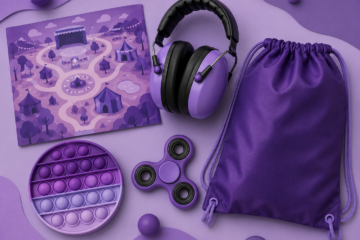
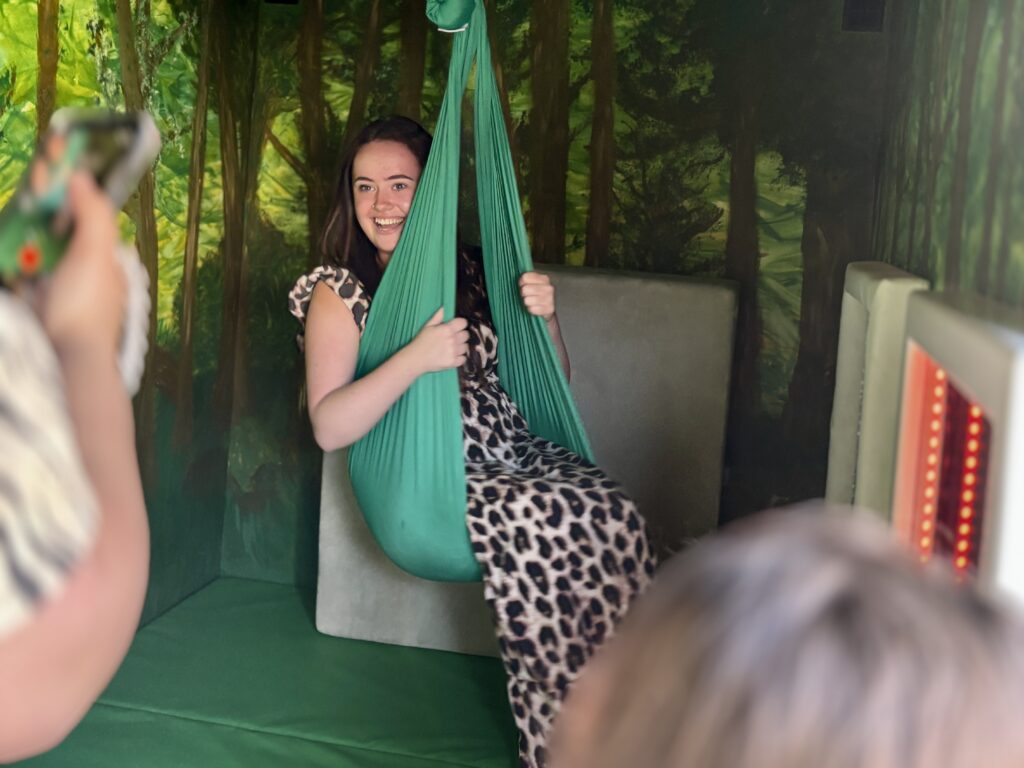
A well-designed sensory space at an event provides a dedicated environment for regulation. It offers a controlled, calming setting where individuals can step away from overwhelming stimuli, reset, and return when they are ready. This is not about removing people from the event experience — it is about enabling them to participate in it more fully.
At Goodysphere, our work with councils, community organisations and large-scale public events has consistently demonstrated the same outcome: when a sensory space is present, people stay longer, engage more, and are far more likely to attend in the first place.

This has a direct impact on both inclusion and event performance.
From an accessibility perspective, it allows individuals who might otherwise be excluded to attend with confidence, knowing there is a space available should they need it. From an organiser’s perspective, it increases overall footfall, improves dwell time, and enhances the reputation of the event as genuinely inclusive rather than performatively so.
The distinction matters.
There is a growing expectation that events should be accessible, but accessibility cannot be delivered solely through visible adjustments such as ramps or signage. Sensory accessibility is often less visible, yet no less critical. Without it, a significant group of people remain underserved.
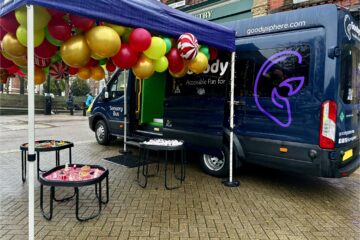
Mobile sensory spaces, such as the Goodysphere Sensory Bus, offer a practical and effective solution. As a fully self-contained mobile sensory room, the bus can be integrated into a wide range of event environments without the need for additional infrastructure, while still delivering a high-quality, immersive and safe space for regulation.
Importantly, sensory spaces are not exclusively for children. This is a common misconception that continues to limit provision. In reality, individuals of all ages benefit from access to a calm, controlled environment within busy public settings. Inclusive event design must reflect this.
As expectations around accessibility continue to evolve, sensory provision is becoming less of an optional extra and more of a baseline requirement. Events that recognise this early are not only supporting their communities more effectively, but are also positioning themselves as forward-thinking, inclusive and well-designed.
At Goodysphere, we do not see sensory spaces as an addition to an event.
We see them as part of the infrastructure that allows an event to work — for everyone.