Accessibility within the events industry in the UK has evolved significantly over recent years, moving beyond a narrow focus on compliance towards a broader and more nuanced understanding of inclusion. For event organisers, this shift has introduced both opportunity and complexity, particularly when navigating what is required, what is recommended, and what is increasingly expected by attendees.
At a legal level, accessibility is underpinned by the Equality Act 2010, which places a duty on organisers to make reasonable adjustments to ensure that disabled individuals are not placed at a substantial disadvantage when accessing services, including events. In practice, this has traditionally been interpreted through physical adaptations — step-free access, accessible toilet provision, appropriate signage, and consideration of layout and navigation.
While these elements remain essential, they represent only one part of a much wider accessibility landscape.
Increasingly, there is recognition that accessibility cannot be fully addressed through structural adjustments alone. The experience of attending an event is shaped not only by how easily a space can be entered, but by how manageable it is to remain within that space over time. This distinction is particularly important when considering sensory accessibility, which continues to be underrepresented in many event planning processes.
For individuals with sensory processing differences, neurodivergence, anxiety, or those who find high-stimulation environments difficult to navigate, the primary barrier is often not physical access, but the intensity of the environment itself. Crowds, layered sound, unpredictable noise levels, bright or dynamic lighting, and a lack of clearly defined quieter areas can all contribute to an experience that becomes increasingly difficult to sustain.
Within the framework of the Equality Act, this is highly relevant.
Reasonable adjustments are not limited to physical changes, but extend to any modification that enables individuals to access a service more equitably. As awareness of sensory needs continues to grow, there is a stronger argument that provision for regulation — including access to a dedicated sensory space — falls within this scope.
Beyond legal requirements, there are also best practice guidelines and sector expectations that continue to shape how accessibility is approached. Local authorities, funding bodies, and public sector partners are placing increasing emphasis on demonstrable inclusion, often requiring organisers to evidence how they are meeting the needs of a diverse audience.
In this context, accessibility is no longer viewed as a compliance exercise, but as a core component of event design.
For organisers, this raises an important question: what does meaningful accessibility look like in practice?
It requires a shift away from viewing accessibility as a fixed checklist, and towards understanding it as an ongoing process of designing environments that work for a wider range of people. This includes considering not only how attendees access an event, but how they move through it, how they experience it, and whether they are able to remain engaged over time.
Sensory provision sits firmly within this.
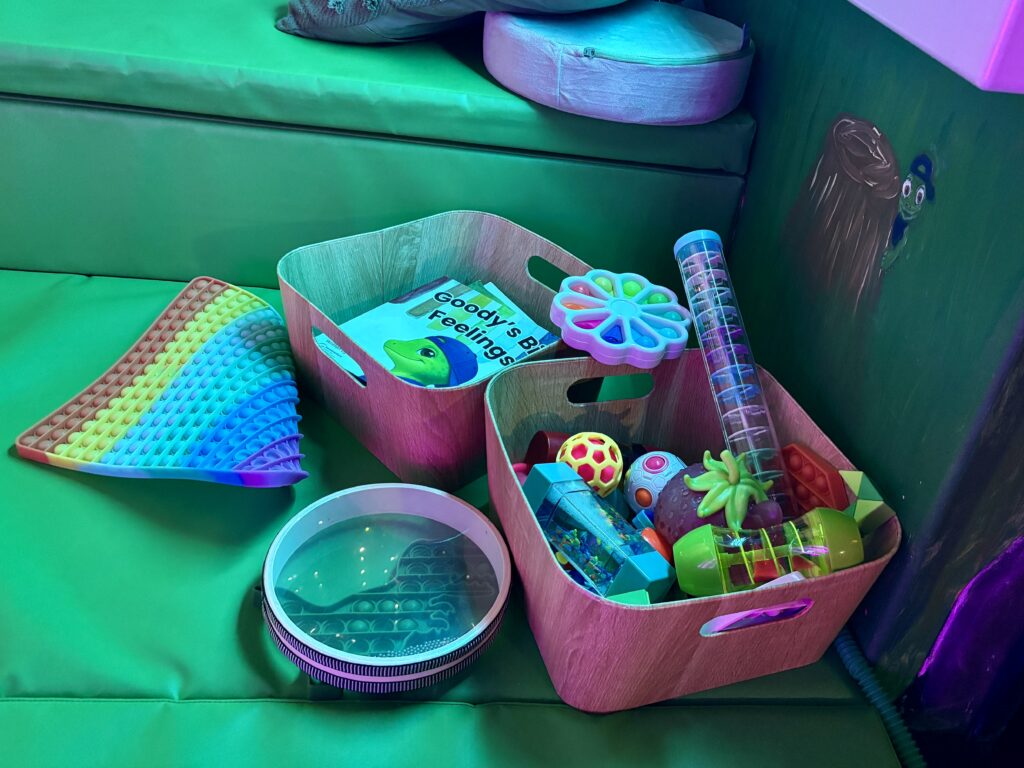
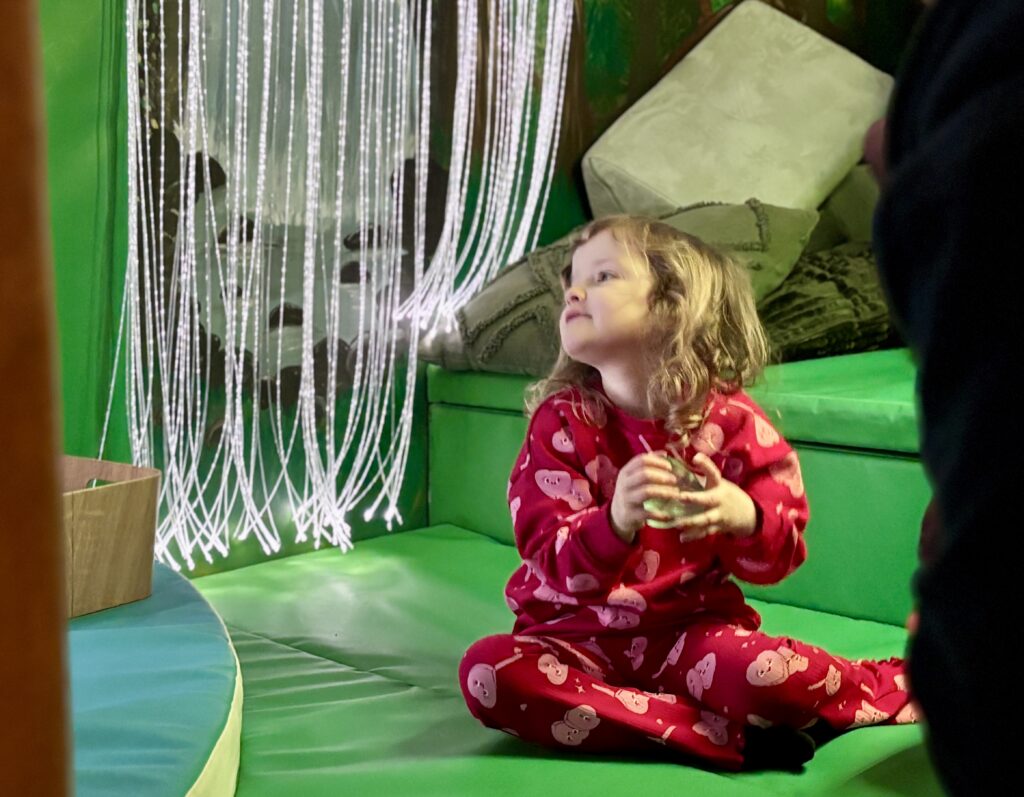
A dedicated sensory space provides a controlled, low-stimulation environment where individuals can pause, regulate, and return to the event when they are ready. It introduces flexibility into the event experience, allowing attendees to manage their engagement in a way that supports their needs rather than working against them.
Importantly, this is not a niche consideration.
Sensory accessibility benefits a broad spectrum of attendees, including those who may not formally identify as having additional needs but who nonetheless experience overwhelm, fatigue, or difficulty sustaining engagement in busy environments. As such, it aligns with a more inclusive and forward-thinking approach to event design, one that recognises variability in how people experience the same space.
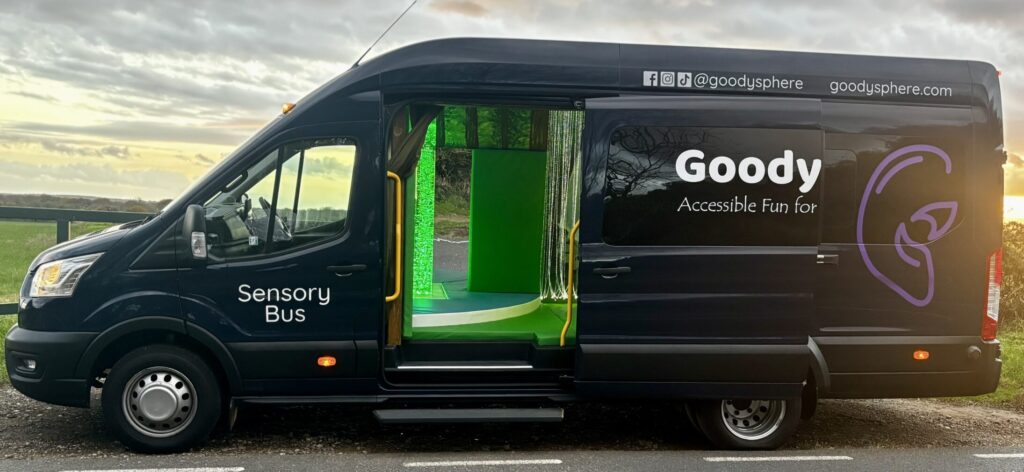
From a practical perspective, mobile sensory spaces offer an effective way to deliver this provision.
As self-contained environments, they can be incorporated into a wide range of event settings without requiring permanent infrastructure, making them particularly well suited to temporary or outdoor events. This flexibility allows organisers to meet evolving accessibility expectations in a way that is both achievable and impactful.
Looking ahead to 2026 and beyond, the direction of travel is clear.
Accessibility expectations will continue to expand, shaped by greater awareness, lived experience, and an increasing emphasis on genuine inclusion rather than minimum compliance. Events that anticipate this shift — rather than responding to it reactively — are more likely to succeed in creating environments that are both welcoming and sustainable.
For organisers, this is not simply about meeting requirements.
It is about recognising that accessibility, when approached comprehensively, has a direct influence on attendance, engagement, and overall event success.
In this context, sensory accessibility is no longer peripheral.
It is part of what defines whether an event is truly accessible at all.